Core Web Vitals Explained: Why Your Builder Website Speed Matters
Learn what Core Web Vitals are and why they matter for your construction company website. Practical tips to improve LCP, FID, and CLS scores.
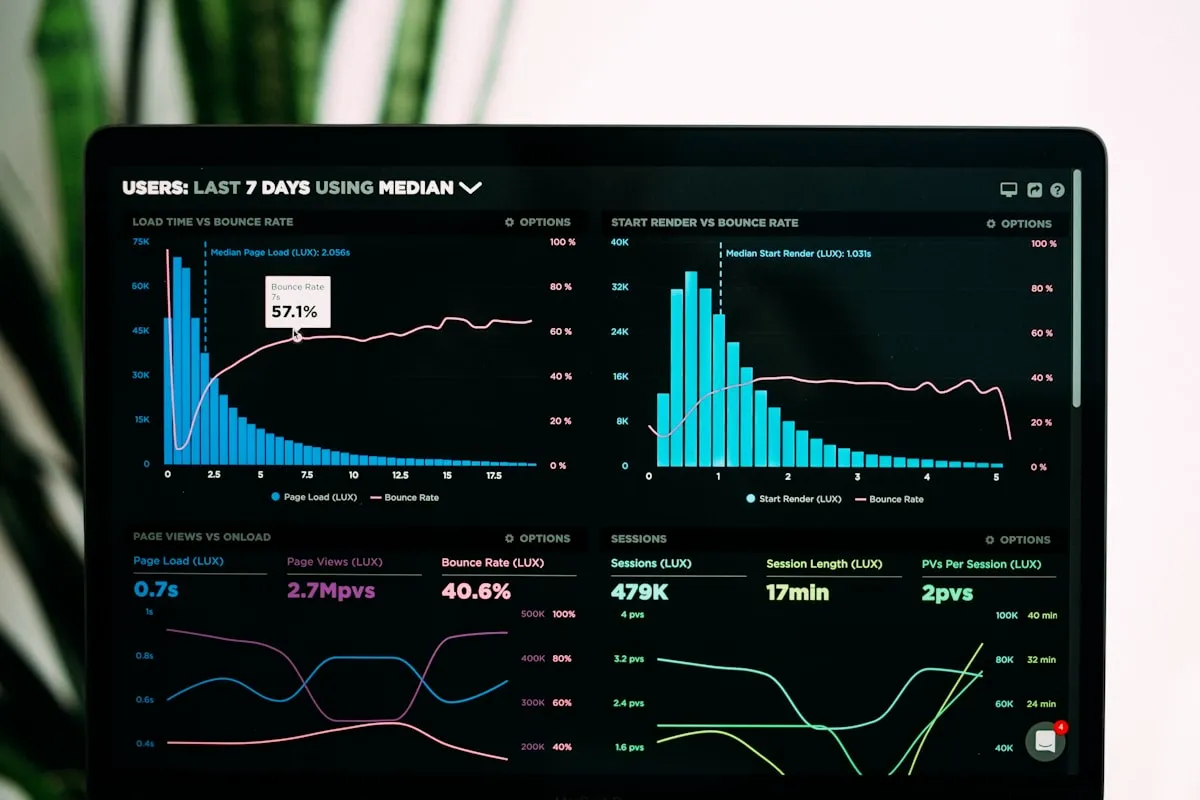
Picture this: A homeowner in your city searches for "custom home builder near me." They click on your website. But instead of seeing your beautiful portfolio, they stare at a blank screen for 5 seconds while your page loads. Frustrated, they hit the back button and click on your competitor instead.
That scenario happens thousands of times every day. And since 2021, Google has been actively measuring these frustrating experiences through something called Core Web Vitals. Google is penalizing slow sites in search rankings.
If you've ever wondered why your competitor ranks above you despite having a worse website, Core Web Vitals might be the answer.
What Are Core Web Vitals?
Core Web Vitals are three specific metrics Google uses to measure how users experience your website:
Why Should Home Builders Care?
Here's the thing: Core Web Vitals are now a ranking factor. Google has explicitly stated that sites with better Core Web Vitals will rank higher than sites with poor scores, all else being equal.
For home builders, this matters because:
- Your competition is likely ignoring this. Most builder websites are slow, image-heavy, and haven't been optimized in years. This is your opportunity.
- Portfolio images are tricky. High-quality photos of your work are essential, but they can destroy your page speed if not optimized properly.
- First impressions matter. You're asking people to trust you with a $500K+ project. A slow, glitchy website doesn't inspire confidence.
How to Check Your Core Web Vitals
The easiest way to check your scores is with our free SEO audit tool, which includes real Core Web Vitals data from Google's PageSpeed API.
You can also use:
- Google PageSpeed Insights: pagespeed.web.dev
- Google Search Console: Look under "Core Web Vitals" report
- Chrome DevTools: For developers who want detailed data
How to Improve Each Metric
Improving LCP (Loading Speed)
LCP measures how quickly the largest element on your page (usually your hero image) becomes visible. To improve it:
- Optimize images: Compress and convert to WebP format
- Use a CDN: Content delivery networks serve files from servers closer to users
- Upgrade hosting: Cheap shared hosting is often the bottleneck
- Lazy load images: Only load images as users scroll to them
- Minimize CSS/JS: Remove unused code that blocks rendering
Improving FID (Interactivity)
FID measures delay between a user's first click and the browser's response. Improvements include:
- Reduce JavaScript: Less JS = faster response times
- Break up long tasks: Split heavy scripts into smaller chunks
- Use browser caching: Returning visitors load faster
- Defer non-critical scripts: Load analytics and chat widgets after main content
Improving CLS (Visual Stability)
CLS measures unexpected layout shifts, like when a page jumps as images load. Fix it by:
- Set image dimensions: Always include width and height attributes
- Reserve space for ads/embeds: Prevent content from jumping
- Load fonts properly: Use font-display: swap to prevent invisible text
- Avoid inserting content above existing content: Especially on mobile
Quick Wins for Builder Websites
Based on auditing hundreds of construction company websites, here are the changes that make the biggest impact:
- Convert images to WebP: Can reduce file sizes by 30-50%
- Resize hero images: Don't upload 4000px wide images for a 1200px container
- Enable caching: A simple .htaccess tweak can dramatically help
- Remove unused plugins: Each plugin adds weight to your site
- Use a quality host: Premium hosting ($30-50/month) beats budget hosting every time
The Bottom Line
Core Web Vitals aren't just technical metrics. They represent real user experiences. A fast, stable website tells potential clients that you're professional, detail-oriented, and trustworthy. A slow, glitchy site suggests the opposite.
The good news? Most of your competitors haven't optimized their sites. By focusing on Core Web Vitals now, you can gain a significant advantage in search rankings and user experience.
Want to see your Core Web Vitals scores? Run a free SEO audit and get your actual scores in 60 seconds.
Check Your Core Web Vitals Now
Our free audit includes real Google PageSpeed data with all three Core Web Vitals metrics.
Get Free Audit