Social Media Strategy for Home Builders: From Posts to Projects
Discover the best social media strategies for home builders. Learn which platforms work, what content to post, and how to turn followers into paying clients.
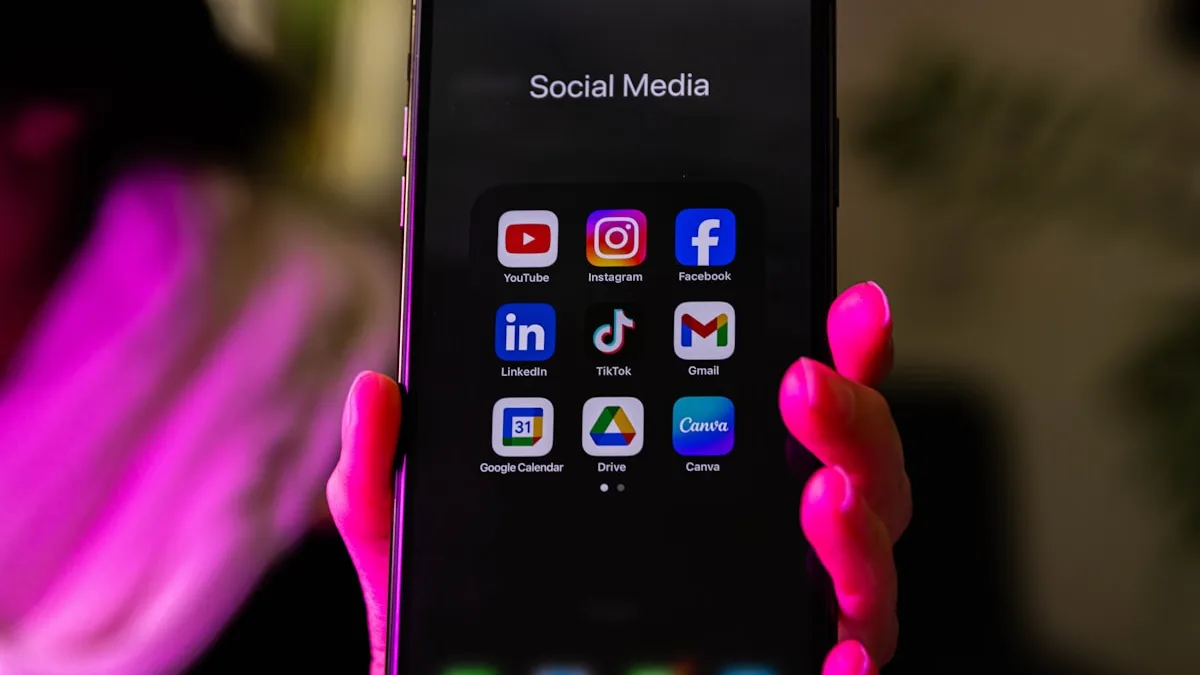
Your next client is scrolling through Instagram right now. They are saving photos of kitchens they love, watching time-lapse videos of homes going up, and reading reviews from other homeowners. By the time they ever search Google or pick up the phone, their shortlist of builders has already been shaped by what they saw on social media.
Yet most home builders treat social media as an afterthought: a random photo posted every few weeks, an abandoned Facebook page with the last update from 2023. That is leaving money on the table. Social media is not just about likes and followers. For builders, it is a visual portfolio, a trust-building machine, and a lead generation channel that works around the clock.
This guide breaks down exactly how to build a social media strategy that turns casual scrollers into signed contracts. No fluff, no vanity metrics. Just practical tactics that work for construction companies.
Why Social Media Matters for Home Builders
Building a custom home is one of the largest purchases anyone will ever make. Buyers do not make that decision impulsively. They research for months, sometimes years, before committing to a builder. And increasingly, that research is happening on social media platforms rather than traditional search engines alone.
The numbers tell a compelling story:
Of home buyers use the internet to search for homes
Use social media in purchasing decisions
More engagement for visual content vs. text
Of leads come from social for service businesses
Social media gives you something that no other marketing channel can replicate: the ability to show your work in progress, build relationships before the first meeting, and let potential clients see the human side of your business. A well-curated Instagram feed does the same job as a showroom, except it is open 24 hours a day and reaches thousands of people in your market area.
People do not hire builders they found. They hire builders they feel they already know. Social media is how you become familiar before the first handshake.
Social proof is the currency of trust online. When a potential client sees hundreds of photos of your finished work, reads comments from happy homeowners, and watches your team in action on job sites, the sales conversation is half over before it starts. Pair your social presence with a strong website (run a free audit to make sure yours is up to par) and you have a lead generation engine that compounds over time.
Best Platforms for Home Builders
Not every social media platform deserves your time. Builders who try to be everywhere end up doing nothing well. The key is choosing the platforms where your ideal clients actually spend time and where visual content performs best. Here is how each platform stacks up for the construction industry:
Instagram is the single most powerful social platform for home builders. Your work is inherently visual (beautiful homes, dramatic transformations, stunning interiors), and Instagram was built to showcase exactly that. Reels get massive organic reach, Stories keep you top of mind daily, and your grid serves as a curated portfolio that potential clients browse like a showroom.
Best for: Project photos, before/afters, Reels time-lapses, Stories polls, client testimonials
Facebook remains essential for home builders because of its community features, review system, and advertising platform. Your Facebook Business Page collects Google-indexed reviews, your posts reach local community groups, and Facebook Ads offer the most sophisticated targeting options of any social platform. It is where homeowners aged 30 to 55 spend a significant portion of their online time.
Best for: Community engagement, client reviews, targeted ads, open house events, educational content
Pinterest is a hidden gem for builders. Users actively search for design inspiration, floor plans, and home ideas, making it one of the few platforms where people come with purchase intent. Pins have an extraordinarily long shelf life compared to other social posts, driving traffic to your website for months or even years after being published. It is particularly strong for reaching women aged 25 to 54 who are often the primary decision-makers in home design.
Best for: Design inspiration boards, floor plan pins, blog traffic, long-tail search visibility
YouTube
YouTube is the second largest search engine in the world, and home building content performs exceptionally well on the platform. Video walkthroughs of completed homes, construction time-lapses, and educational content about the building process generate significant organic traffic. The investment is higher (video production takes time), but a single well-made walkthrough video can generate leads for years.
Best for: Home walkthroughs, construction vlogs, educational series, client testimonial videos
Houzz
Houzz is built specifically for the home improvement and construction industry. It functions as a portfolio platform, review site, and lead generator all in one. Homeowners who are actively planning builds or renovations use Houzz to find and vet professionals. A complete Houzz profile with professional photos and strong reviews positions you directly in front of high-intent buyers.
Best for: Professional portfolio, industry-specific reviews, project ideabooks, connecting with active buyers
Key Takeaway
Do not try to be on every platform. Pick two or three that align with your capacity and audience, then commit to posting consistently. For most home builders, Instagram and Facebook are the essential duo. Add Pinterest or YouTube once you have those two running smoothly. A strong presence on two platforms will always outperform a weak presence on five.
20 Content Ideas That Work for Builders
The most common excuse we hear from builders is that they do not know what to post. The truth is you are surrounded by content opportunities every single day on the job site. Every phase of construction, every design decision, and every satisfied client is a post waiting to happen. Here are 20 proven content ideas that consistently generate engagement and leads:
Before & after transformations
Time-lapse of builds
Client testimonials
Design inspiration
Behind the scenes
Team spotlights
Material selections
Floor plan reveals
Drone footage
Neighborhood tours
FAQ videos
Energy efficiency tips
Seasonal maintenance
New listing announcements
Awards & certifications
Design trends
Budget breakdowns
Supplier partnerships
Community involvement
Completed project tours
The highest-performing content types for builders are before-and-after photos, time-lapse Reels, and client testimonial videos. These three formats consistently generate the most saves, shares, and direct messages. Before-and-afters work because they tell a visual story. Time-lapses satisfy the innate curiosity people have about how homes are built. And testimonials deliver social proof from real clients.
For more ideas on what topics to cover and how to structure educational content, read our content marketing guide for builders.
Pro Tip: Batch Your Content
Dedicate one morning per week to content creation. Walk the job site with your phone, take 20 to 30 photos, shoot two or three short video clips, and capture a quick testimonial if a client is visiting. That single session gives you enough raw material for an entire week of posts across all platforms. Use a scheduling tool like Later or Buffer to queue everything up at once. Consistency beats perfection. A good photo posted on schedule beats a perfect photo that never gets shared.
The Ideal Posting Schedule
Consistency is the single biggest factor in social media success. An account that posts three times per week every week will always outperform one that posts ten times in a burst and then goes silent for a month. Here is a realistic weekly schedule built for home builders who have actual homes to build:
This schedule amounts to roughly six Instagram posts and six Facebook posts per week. If that feels like too much, start with three posts per week per platform and build from there. The critical point is to establish a rhythm that you can sustain indefinitely. Social media rewards consistency above all else. The algorithms favor accounts that post regularly because they keep users on the platform longer.
Time your posts for when your audience is most active. For home builders targeting homeowners, that is typically early mornings (7 to 9 AM), lunch hours (12 to 1 PM), and evenings (7 to 9 PM). Use your platform's built-in analytics to see exactly when your followers are online and adjust accordingly.
Paid Social Advertising for Builders
Organic reach alone is no longer enough. Facebook and Instagram have steadily reduced organic visibility for business accounts, meaning even your followers see only a fraction of your posts. Paid social advertising fills that gap and lets you put your best work in front of exactly the right people: homeowners in your service area who are actively thinking about building or renovating.
Here is how to launch your first paid social campaign the right way:
Define Your Audience
Start with geographic targeting: your service area plus a reasonable radius. Layer on demographics: homeowners aged 30 to 60, household income above a threshold that matches your build prices, and interests like home design, architecture, or real estate. Facebook's targeting allows you to reach people who have recently visited home improvement websites or searched for builders.
Set a Realistic Budget
Start with $500 to $1,500 per month. That is enough to test multiple ad sets, learn what works, and generate measurable results. A single signed contract from a social media lead can pay for an entire year of advertising spend. Scale up once you have data showing positive return on investment.
Create Compelling Ads
Use your best project photos and video walkthroughs as ad creative. Carousel ads that showcase a completed home room by room perform exceptionally well. Include a clear call to action: "Schedule a Consultation," "Download Our Floor Plans," or "See Our Available Lots." Avoid generic messaging. Speak to the specific desires and concerns of your ideal client.
Retarget Website Visitors
Install the Meta Pixel on your website to track visitors. Then create retargeting ads that follow those visitors on Facebook and Instagram. Someone who browsed your portfolio page but did not fill out a contact form is a warm lead. Retargeting ads keep your brand in front of them until they are ready to take the next step. This is often the highest-ROI ad spend you can make.
Measure and Optimize
Track cost per lead, not vanity metrics like impressions or clicks. Run two or three ad variations at once and let the data tell you which creative and audience combination works best. Kill underperforming ads quickly and redirect that budget to winners. Review results weekly and make adjustments monthly.
Common Ad Mistakes to Avoid
The three most expensive mistakes builders make with paid social: targeting too broadly (advertising to an entire state when you build in one metro area), using stock photos instead of real project work (people can tell the difference immediately), and sending traffic to a homepage instead of a dedicated landing page with a specific offer. Every ad dollar should be traceable to a specific audience, creative, and conversion action. Without that structure, you are just burning money.
Before investing in paid ads, make sure your website is ready to convert the traffic you send to it. A slow, outdated website will waste your ad spend. Run a free SEO audit to check your site's technical health and conversion readiness.
Measuring Your Social Media ROI
The biggest objection builders have about social media is that they cannot measure whether it actually works. And if you are only tracking likes and follower counts, that objection is valid. Those are vanity metrics that do not pay for lumber. Here are the metrics that actually matter:
- Website clicks from social: How many people are clicking through from your social profiles to your website? Use UTM parameters on your links to track this precisely in Google Analytics.
- Lead form submissions: Track how many contact form fills, phone calls, and consultation requests originate from social media visitors. This is the metric that ties directly to revenue.
- Direct messages and inquiries: Many potential clients reach out through DMs on Instagram or Messenger on Facebook before they ever visit your website. Track these conversations and tag the source.
- Cost per lead (paid): For every dollar you spend on ads, how many qualified leads do you generate? For home builders, a cost per lead of $50 to $150 on Facebook is typical and very profitable given the value of a single contract.
- Engagement rate: While not a revenue metric directly, engagement rate tells you whether your content resonates. High engagement signals to algorithms that your content should be shown to more people, amplifying organic reach.
- Follower-to-lead ratio: What percentage of your followers eventually become leads? A small, engaged local following is far more valuable than a large, disengaged national audience.
Key Takeaway
The metric that matters most is lead form submissions attributed to social media. Everything else is a supporting indicator. Set up proper tracking from day one: install the Meta Pixel, use UTM links, and configure Google Analytics goals. A builder who can confidently say "social media generated 12 qualified leads last month at $75 each" will never question the investment again. If you do not track it, you cannot prove it, and you cannot improve it.
Your Next Steps
You do not need to do everything at once. Start with one platform (Instagram is the best starting point for most builders), commit to posting three times per week using the content ideas above, and track your results for 90 days. That is enough time to build momentum, learn what your audience responds to, and start generating measurable leads.
Within the first month, set up a Facebook Business Page if you do not already have one and make sure your Google Business Profile is fully optimized to capture the local search traffic that social media drives. These three channels (Instagram, Facebook, and Google Business Profile) form the foundation of a builder marketing system that compounds over time.
Ready to make sure your website converts the traffic your social media generates? Get your free website audit and see exactly where your digital presence stands today.
Home Builder Marketers
We help custom home builders add 2-3 projects per year with predictable marketing that works. Specializing exclusively in SEO, social media, and lead generation for the construction industry.
Learn more about us →Boost Your Online Presence Today
Social media drives awareness, but your website closes the deal. Make sure it is ready with a free comprehensive audit.
Get Free AuditRelated Articles
Content Marketing for Home Builders: What to Write About
Struggling with content ideas? Proven topics that attract home buyers and boost your SEO rankings.
Local SEOGoogle Business Profile for Home Builders: The Complete Guide
Optimize your Google Business Profile to dominate local search and attract qualified leads.